ServicesSiding
Siding Repair and Replacement in Oxford
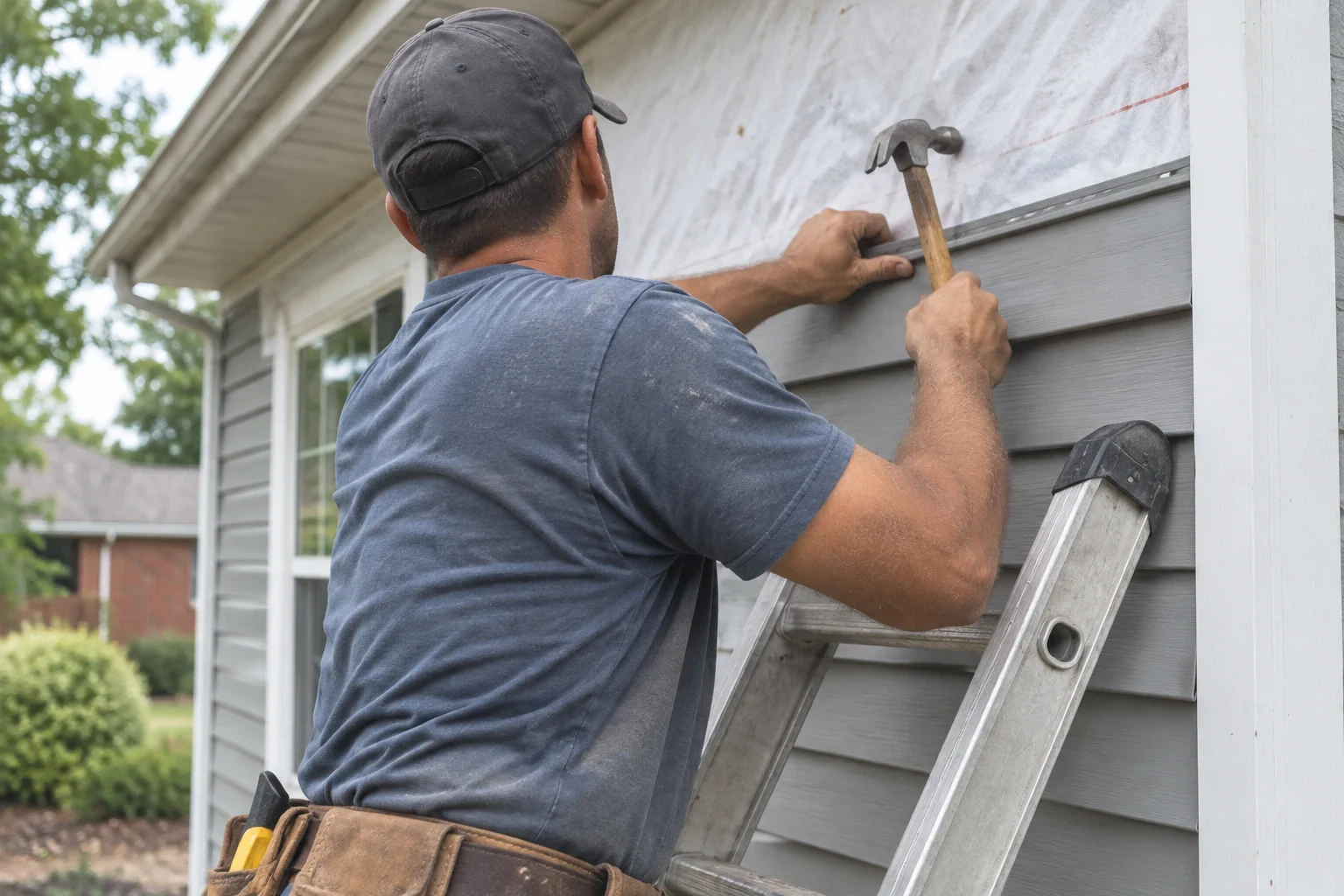
Good siding sheds water for decades when the details are kept up. We replace cracked and loose boards, reseal trim joints and re-side walls that are past saving. Every visit starts with photos of what we found, so you can decide what your home needs.
Siding that keeps working, not just looking right
Siding is the rain screen for your walls. Behind it sits house wrap and sheathing, and that layer only stays dry if the boards lock together, the trim joints are sealed and the flashing directs water outward. When one of those details slips, moisture gets in quietly and the damage shows up years later as soft sheathing or stained drywall.
Our approach is to find those small failures early and fix them in place. A few cracked vinyl panels, a run of loose fiber cement or split caulk at the corners can usually be repaired without touching the rest of the wall. If the sheathing has gone soft or the boards have turned brittle along an entire side, we say so directly, because at that point new siding will serve you longer than another round of patches.
Humid summers and hard afternoon storms test the joints and seams on homes around Oxford, so we look closely at the walls that take the most weather.
What our siding work covers
Board and panel replacement
We remove damaged vinyl or fiber cement pieces and fit new ones that lock into the courses above and below. We look for a close match in profile, exposure and color before we start.
Trim and corner sealing
Caulk at corner posts, J-channel and trim boards dries out and splits over time. We cut out the failed bead and reseal with a sealant suited to the material.
Checking what is underneath
Wherever a board comes off, we inspect the house wrap and sheathing behind it. Soft or stained wood is photographed and discussed with you before any extra work is done.
Flashing at openings and rooflines
Where walls meet the roof or trim, kickout and step flashing keep water from running behind the siding. We check these points and correct missing or bent pieces.
Full re-siding when it is due
For walls that are past repair, we strip the old siding, repair the sheathing, install fresh house wrap and hang new siding with proper fastening and expansion gaps.
Signs your siding needs attention
Loose or rattling panels
Vinyl that lifts in the wind has usually come unlocked or lost fasteners. Left alone, the next strong gust can tear it free.
Cracks and holes
Hail, a mower-thrown stone or a ladder can crack a panel. Even a small opening lets wind-driven rain reach the wrap behind it.
Warping or buckling
Boards that ripple were often nailed too tight to move with the heat. Over a few seasons they pull away from the wall.
Soft spots and stains
If a board gives when you press it, or you see dark streaks below a joint, water may already be reaching the sheathing. That is worth a look soon.
Mildew that keeps coming back
Green growth that returns right after cleaning on a shaded wall can point to trapped moisture rather than a surface problem.
How a siding visit runs
- 1
Walk-around and photos
We go around every side of your home, press on boards by hand and look over each seam, trim joint and flashing point. Afterward you receive a photo report with the trouble spots marked.
- 2
An honest recommendation
We explain whether repair will hold or whether a wall needs re-siding, and we put the scope and cost in writing by line item.
- 3
Protecting the property
On work day we cover plantings and lay tarps along the foundation so nails and offcuts land where we can collect them.
- 4
Careful installation
Damaged pieces come out, the wall behind is checked and repaired if needed, and new material goes on with correct fastening and room to expand.
- 5
Cleanup and final review
We run a magnet over the yard, haul away old material and walk the finished wall with you before we leave.
What shapes the cost of siding work
The boards themselves are rarely the biggest part of a siding bill. What we find behind them matters more, and a quick panel swap becomes a different job once the sheathing needs attention. You see the photos and a written line for each item, so every part of the number has a reason attached. Larger projects can be paid over time, with financing available through Acorn Finance.
- Material and profile
- Vinyl, fiber cement and specialty profiles differ in cost and in how much labor they take to cut and hang. Matching an older or discontinued profile can take extra sourcing.
- Condition of the sheathing
- Dry, solid sheathing keeps a job simple. Soft or rotted wood has to be cut out and replaced before new siding goes on.
- Wall height and access
- Second-story walls, gables and areas over decks or steep grades need more staging and more time.
- Scope of the work
- Replacing a handful of panels is a different job from re-siding a full elevation, and trim, flashing and house wrap add to larger projects.
Siding questions we hear often
Something not covered here? (919) 237-9586
Can you match my existing siding?
Often, yes. We take a piece of your current board and compare its profile, exposure and color with what suppliers carry. Older vinyl fades, so a new panel can look a shade brighter at first. Where that would show, one option is to pull sound original panels from a side wall nobody sees much, use them on the front, and put the new ones where the difference will not stand out.
Should I repair or replace my siding?
If the damage is limited to a few areas and the sheathing behind is sound, repair is usually the sensible choice and adds years to the wall. When boards are brittle across an entire side or the wood underneath is soft in several places, patching becomes a repeat expense. Our photo report shows you what we saw so you can judge it for yourself.
Will insurance pay for hail or wind damage to siding?
Coverage comes down to the wording of your policy and what actually broke the boards, and the adjuster is the one who makes that call. Our part is to photograph the damage wall by wall, meet the adjuster at your home and help you through the claim process so no damaged section is left off the list.
How disruptive is siding work?
All of it happens outside, so you can carry on with your day indoors. There is some noise while old boards come off and new ones go up. We keep paths to your doors clear and pick up debris before we leave each day.
Do you look at the roof while you are there?
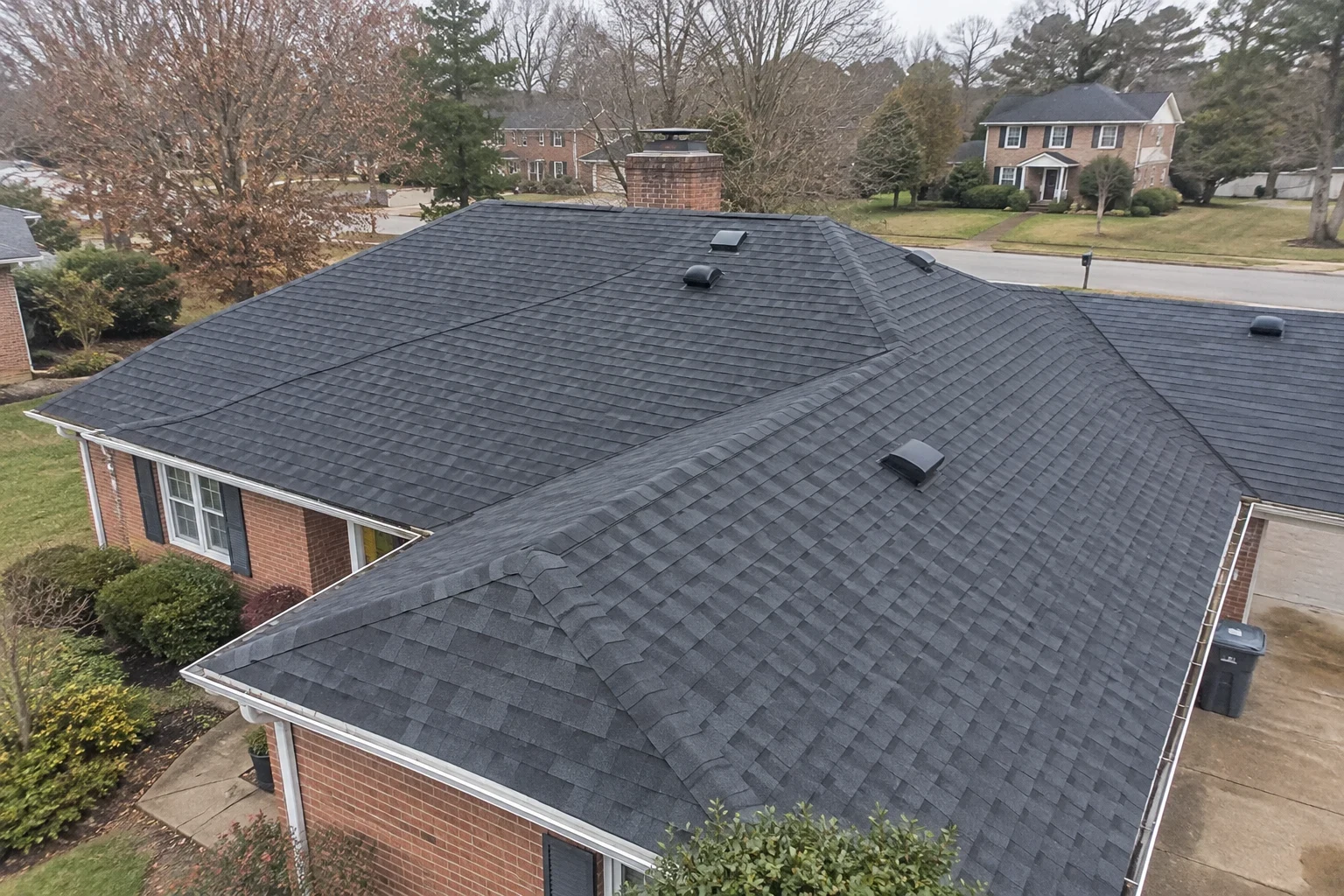
We can. Many siding problems begin where the roof meets a wall, so checking flashing and gutters on the same visit makes sense. Anything we notice on the roof goes into the report, and you can decide whether to schedule roof repair or a full roof inspection.
See what your walls are telling you
A short visit gives you clear photos of every loose, cracked or soft spot, and an honest view of what can be repaired. From there, the decision is yours.